New. Inclusive. Accessible.
Brand new music.
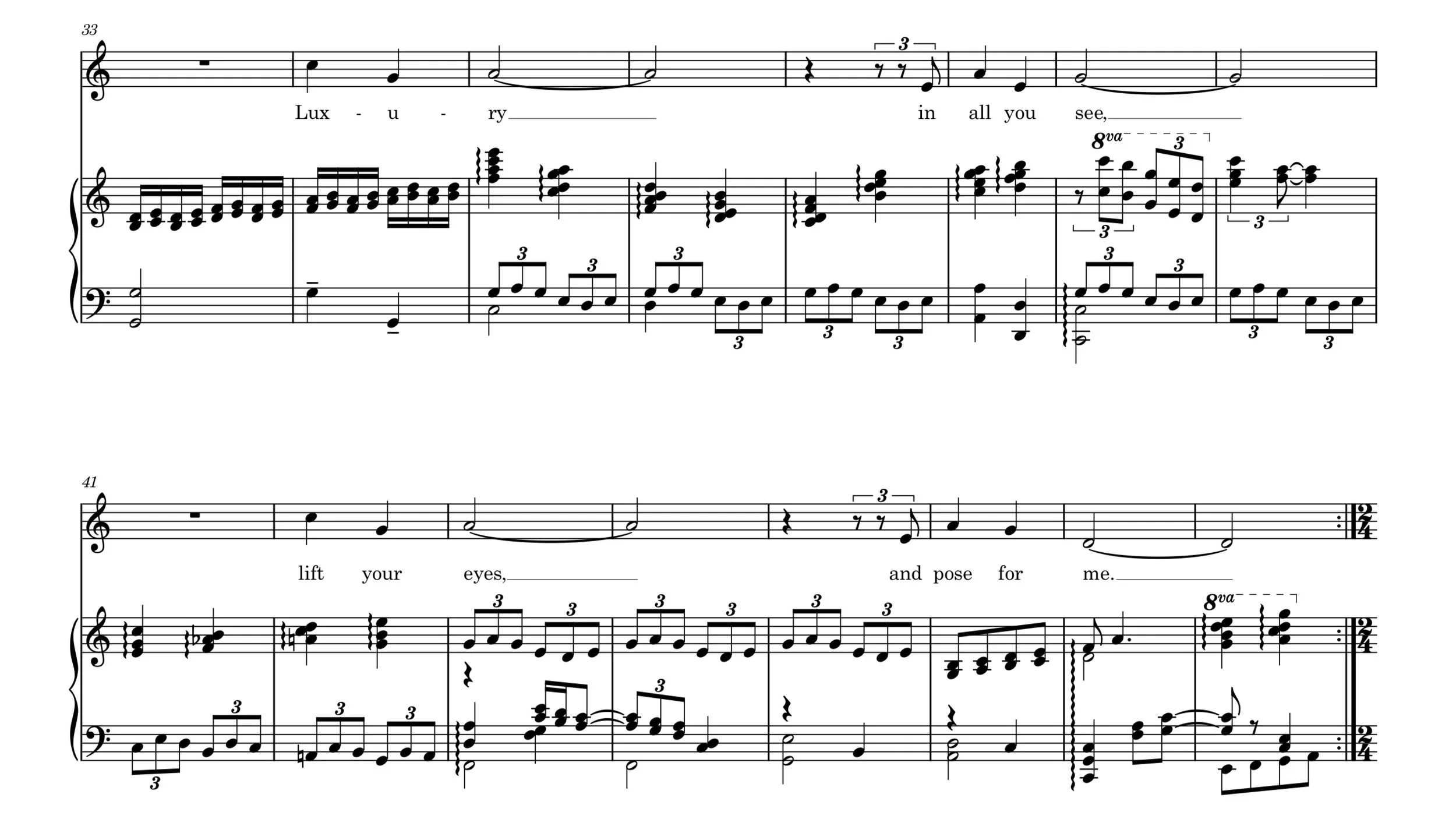
The Queer Songbook Project is dedicated to expanding the vocal canon through the commissioning of original works that reflect contemporary lives and voices. For generations, young singers have trained primarily on repertoire drawn from historical traditions that, while artistically invaluable, often do not speak directly to the realities of today’s students. By creating entirely new music, the Queer Songbook Project ensures that LGBTQ+ stories and perspectives are not merely adapted into existing works but are centered from the outset.
These compositions are written by a composers who bring a wide range of musical languages and stylistic influences, resulting in repertoire that feels fresh, relevant, and artistically compelling. The emphasis on new work also allows for intentional alignment with modern pedagogical standards, performance contexts, and the expressive needs of developing singers.
At its core, this commitment to new music affirms that queer narratives belong not only in reinterpretations of the past but also in the living, evolving future of classical and theatrical song literature.
Tori Delgado
Founder & Composer
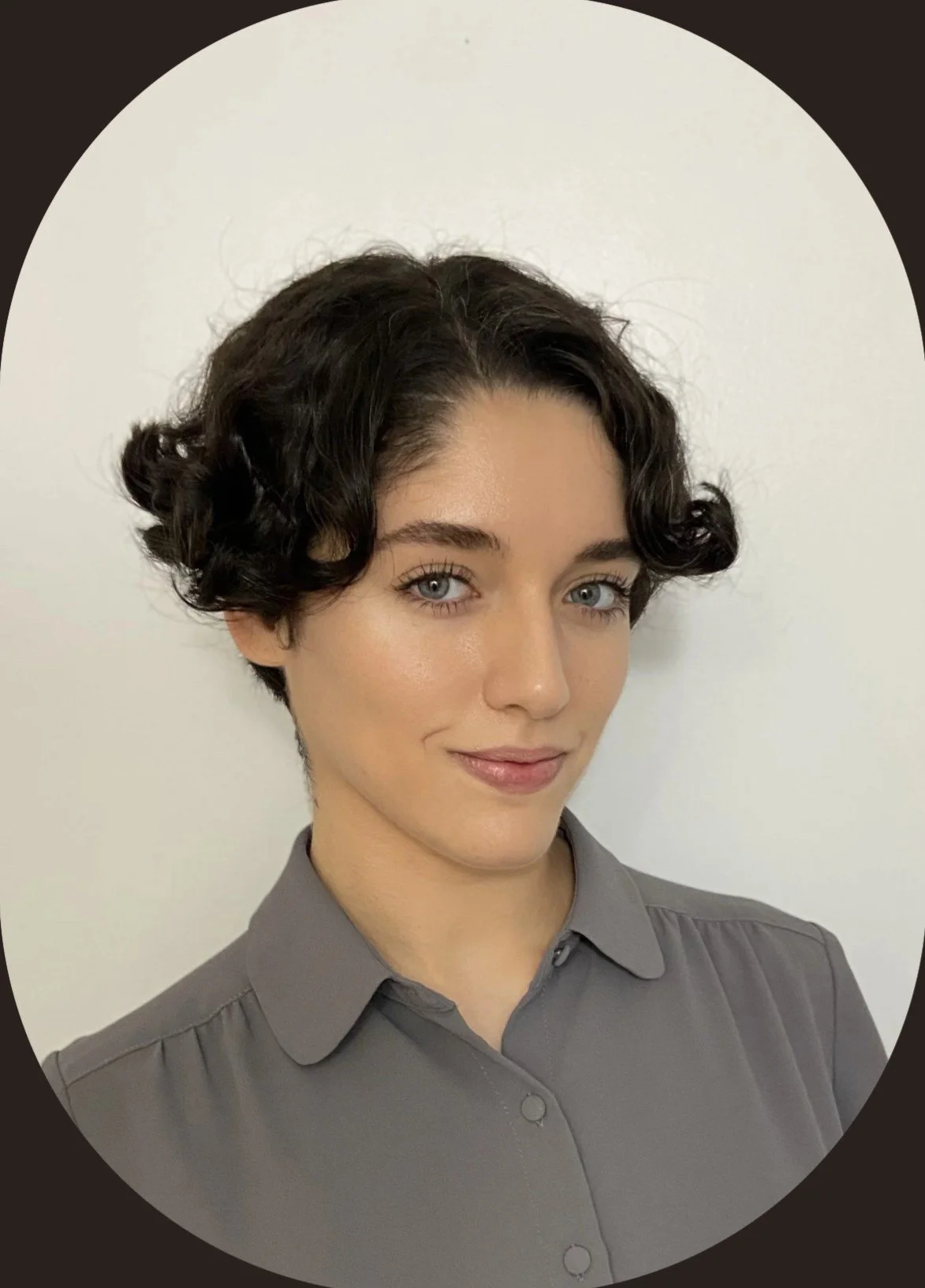
With a strong background in vocal music study, Tori Delgado understood the stark discrepancy between hetero-normative art songs that reinforced gender binaries and those which possessed more inclusive lyrical wording that permitted room for queer vocalists to resonate and identify with the music without carrying any unwanted stereotypes often depicted in art song literature.
A dedicated fan of art songs about love and connection, their compositions utilize a Buberian philosophical approach in which the use of the second person is prioritized; this approach primarily employs pronouns “I” and “you,” so other gender-descriptive pronouns become rendered unnecessary.
Delgado's background in musical composition began when they started independently writing music 16 years ago. Since then, they have studied musical rhetoric in symphonic, operatic, and solo voice literature. From 2024 to 2025, Delgado taught a series of lessons and workshops covering both classical composition and contemporary songwriting. The Queer Songbook is Delgado’s debut in published work.
Inclusive themes & lyrics.
The texts and dramatic perspectives of the collection center authenticity, dignity, and emotional truth across a spectrum of LGBTQ+ experiences, while remaining meaningful and performable for singers of all identities. Traditional vocal literature frequently assumes heterosexual romance, binary gender roles, or narratives that can be difficult for many students to inhabit honestly. This project addresses that gap by offering lyrics that allow singers to perform without distancing themselves from their own identities or altering pronouns and storylines.
The songs explore themes such as self-discovery, friendship, celebration, resilience, joy, uncertainty, and belonging — experiences that resonate broadly while also reflecting the specific realities of queer lives. Care is taken to ensure that texts are age-appropriate, emotionally nuanced, and suitable for educational settings, auditions, recitals, and competitions.
By prioritizing inclusive storytelling, the project supports deeper artistic engagement. When singers can fully identify with the emotional world of a piece, they are better able to communicate authentically, develop interpretive skills, and build confidence as performers. At the same time, these works foster empathy and understanding among all performers and audiences.
lillian reed
Primary Composer
lillian reed is a Baltimore-based composer whose music frequently explores themes of queerness, identity, and subjectivity. She has written art songs exploring queer themes in the past, but The Queer Songbook project inspired her to write more accessible music that would resonate with queer youth.
reed’s work for the songbook draws inspiration from both Romantic and 20th Century art songs, resulting in an eclectic range of styles ranging from conventional to neo-impressionist. Above all else, she strove to write melodies that are fun and engaging to sing, along with texts that explore a variety of moods and concepts.
reed earned her BA in oboe performance from Valparaiso University in 2016 and her MM in composition from University of Louisville in 2024. She is currently pursuing her DMA in composition at the Peabody Institute, studying with Sky Macklay.
Accessible musical material.
All compositions in the collection are designed with developing voices in mind, balancing artistic sophistication with technical approachability. Young singers often face a limited selection of repertoire that is both musically rewarding and developmentally appropriate; many canonical works can be either technically inaccessible or stylistically distant from students’ experiences.
The Queer Songbook Project addresses this need by commissioning pieces that carefully consider tessitura, range, breath demands, and pianistic support, making them practical for studio teaching and classroom use. The music (offered in every key) spans a variety of difficulty levels and voice types, allowing educators to select repertoire that supports healthy vocal development while still offering meaningful artistic challenges.
This emphasis on accessibility ensures that inclusive repertoire is not reserved only for advanced performers but is available at the stages when identity formation, confidence building, and musical foundations are most critical. By providing material that teachers can confidently assign and students can successfully perform, the project helps integrate inclusive works into everyday pedagogy rather than treating them as special or occasional additions.